Understanding the Benefits of a Black Screen Image
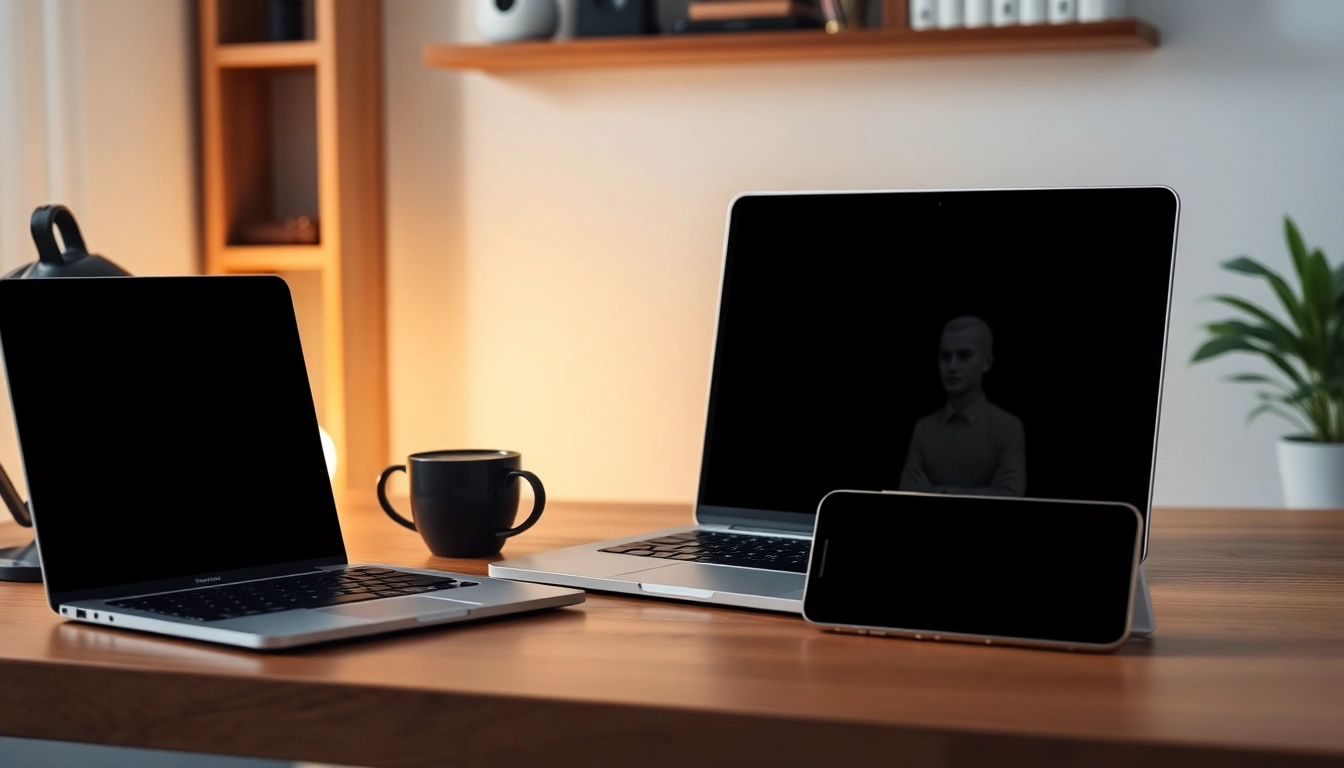
In today's fast-paced digital world, managing screen time and visual comfort has become increasingly crucial. The use of a black screen image serves a multitude of purposes, from enhancing focus to conserving energy. This seemingly simple tool can provide a richer and more intentional experience for users across various settings, be it in professional environments, for gaming, or even in personal relaxation. Understanding its numerous benefits is the first step toward optimizing your digital interactions.
How a Black Screen Image Enhances Concentration
One of the primary advantages of using a black screen image is its ability to minimize distractions. In environments saturated with visual stimuli, the stark contrast of a black screen aids concentration by creating a uniform backdrop. This is particularly effective when working on complex tasks that require undivided attention. Studies have shown that simply dimming the screen or changing its color palette can significantly improve productivity levels. By enveloping your workspace in a black screen, you allow your brain to focus exclusively on the task at hand, thus enhancing cognitive performance.
The Energy Savings of Using a Black Screen Image
In addition to improving focus, a black screen image can also contribute to energy savings, particularly for OLED and AMOLED display technologies. These screens consume less power when displaying black due to the nature of their pixel illumination. A black screen helps save battery life on mobile devices and reduces energy consumption on larger displays. With increasing awareness around sustainability, utilizing a black screen not only aids personal conservation efforts but also contributes to broader environmental goals.
Reducing Eye Strain: The Science Behind Black Screens
Eye strain has become a common complaint among heavy computer users. A black screen image can mitigate this issue by reducing glare and providing a visually soothing experience. Bright screens emit blue light, which can disrupt sleep patterns and cause discomfort during long periods of use. The gentle appearance of a black screen minimizes these adverse effects, creating a more eye-friendly environment. Many users report a significant decrease in headaches and fatigue after integrating black screens into their daily screen time.
Practical Applications of Black Screen Image Tools
From workplaces to gaming environments and even personal relaxation, the applications of black screen images are vast and varied. Their versatility makes them an essential tool, allowing users to leverage their benefits across multiple contexts.
Using Black Screen Images in Professional Settings
In professional settings, black screen images are invaluable for presentations and seminars, allowing speakers to maintain audience engagement. Additionally, they can serve as a backdrop for digital content, emphasizing key points without the distraction of colorful graphics. Many companies have adopted black screens in their design processes to create cleaner and more focused presentations, aligning with the modern trend of minimalistic design.
How Gamers Benefit from Black Screen Images
For gamers, black screens are particularly useful. They not only help to reduce the risk of burn-in on devices but also create an immersive experience when transitioning between scenes. In addition, the ability to create a pitch-black environment can enhance the visual effects of games, making colors pop and ensuring that players remain engaged in the gameplay. Many gaming setups now incorporate black screens to maximize visual clarity and minimize distractions.
Creating a Relaxing Environment Before Sleep
A black screen image can also play a significant role in creating a calming atmosphere before sleep. Exposure to bright screens prior to bedtime has been linked to poor sleep quality due to the blue light emitted from screens. By using a black background, users can reduce light exposure, facilitating a smoother transition to sleep. This practice not only aids in relaxation but also contributes to overall better sleep hygiene.
Optimizing Your Workspace with Black Screen Images
Maximizing productivity and comfort in your workspace often involves finding the right balance of visual elements. Black screen images can play a pivotal role in achieving this balance across different setups.
Setting Up Multiple Monitors with Black Screen Images
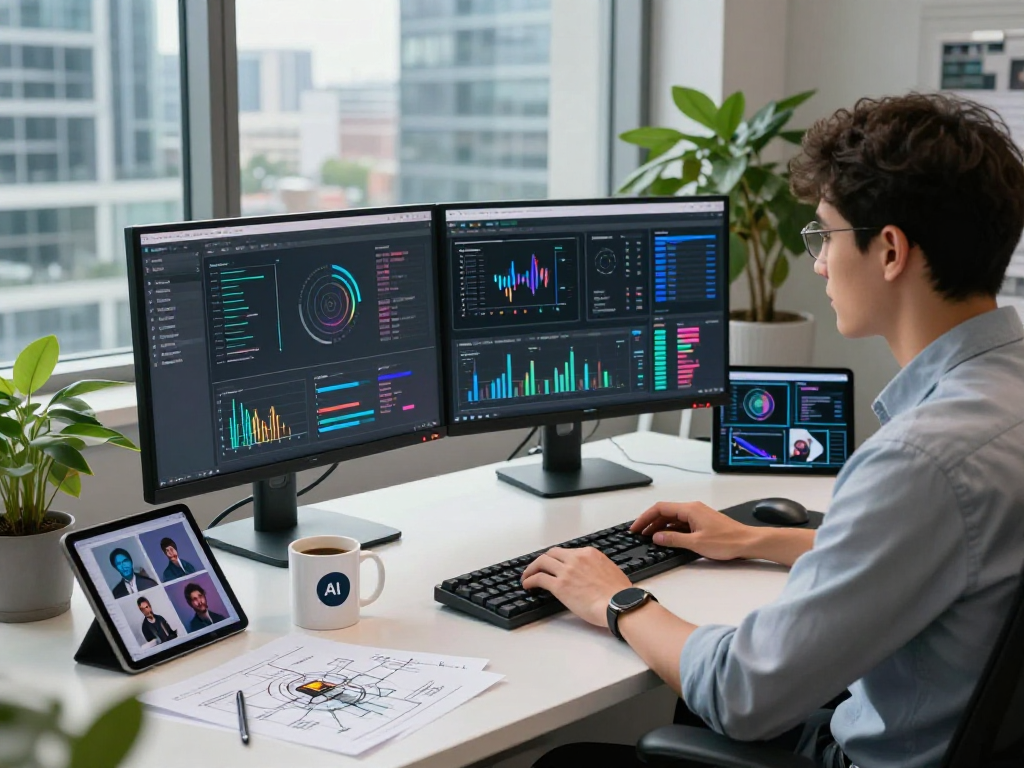
For those using multiple monitors, integrating black screen images can create a cohesive visual experience. By applying black screens to secondary monitors, users can reduce clutter and distractions when focusing on one specific display. This simple adjustment can significantly enhance the workflow, allowing for seamless transitions between tasks while maintaining a professional aesthetic.
Cleaning Your Screens with a Black Background
Cleaning screens is often a tedious task, but using a black screen makes this process more efficient. The contrast between dust, smudges, and the uniform black background allows for easier identification of areas that need cleaning. This practical application not only improves the clarity of your display but also prolongs the longevity of your devices by encouraging regular maintenance.
Integrating Black Screen Images in Home Offices
In the context of home offices, black screen images can help establish boundaries between work and personal life. By using a black screen during breaks or after work hours, individuals can create a clear visual distinction that encourages off-screen relaxation. This psychological separation can be beneficial for mental health, fostering a healthier work-life balance.
Frequently Asked Questions About Black Screen Images
As interest in black screen images grows, so do the inquiries surrounding their usage and effectiveness. Below, we address some of the most common questions users have.
Is a Black Screen Image Really Energy Efficient?
Yes, a black screen image is energy efficient, particularly for OLED and AMOLED displays. Since these screens turn off individual pixels to create the black color, they inherently consume less power compared to lighter backgrounds. This feature can lead to significant energy savings, especially for users who frequently work on their devices for extended periods.
Can I Use Black Screen Images Offline?
Absolutely! Black screen images can be utilized offline after they have been loaded into your browser. This feature is particularly useful for users who may not always have access to the internet, allowing them to maintain a distraction-free environment wherever they are.
Is a Black Screen Image Good for My Eyes?
Indeed, a black screen image is beneficial for your eyes. It reduces glare and minimizes light exposure, which can strain the eyes during prolonged computer usage. Users often report experiencing less fatigue and discomfort when using black screens, particularly in low-light environments.
Future Trends in Black Screen Image Usage
As technology continues to evolve, so too will the applications and designs of black screen images. Emerging innovations and user demands are likely to shape their future utilization.
Emerging Technologies for Enhanced Visual Comfort
Future advancements in display technologies promise to enhance the already significant comfort provided by black screens. Innovations such as adaptive brightness and color-changing capabilities are on the horizon, allowing users to automatically shift to optimal viewing conditions based on their environments.
Adapting Black Screen Tools for Various Devices
Black screen tools are likely to adapt to various device specifications more seamlessly. As more devices adopt mixed display technologies, the ability to use a black screen that adjusts dynamically to the device runtime will enhance user experience across various platforms, whether on smartphones, tablets, or larger monitors.
Predictions for Black Screen Image Innovations by 2025
Looking forward to 2025, we can expect a more integrated approach to black screen images in software applications, perhaps featuring customizable options that allow users to tailor their black screens according to personal preference. Such innovations could include varying shades of black or patterns designed to enhance focus while still minimizing visual strain.