Understanding Double Girder Bridge Cranes
Double girder bridge cranes are prominent fixtures in industrial settings where precision and heavy lifting capabilities are crucial. These cranes provide a robust solution for transporting heavy materials across various distances. Unlike their single girder counterparts, double girder cranes utilize two parallel girders, allowing for a greater lifting capacity and a wider span. As industries evolve, the demand for efficient heavy lifting solutions has driven innovations in crane technology, making double girder bridge crane systems a preferred choice in modern manufacturing and logistics.
What is a Double Girder Bridge Crane?
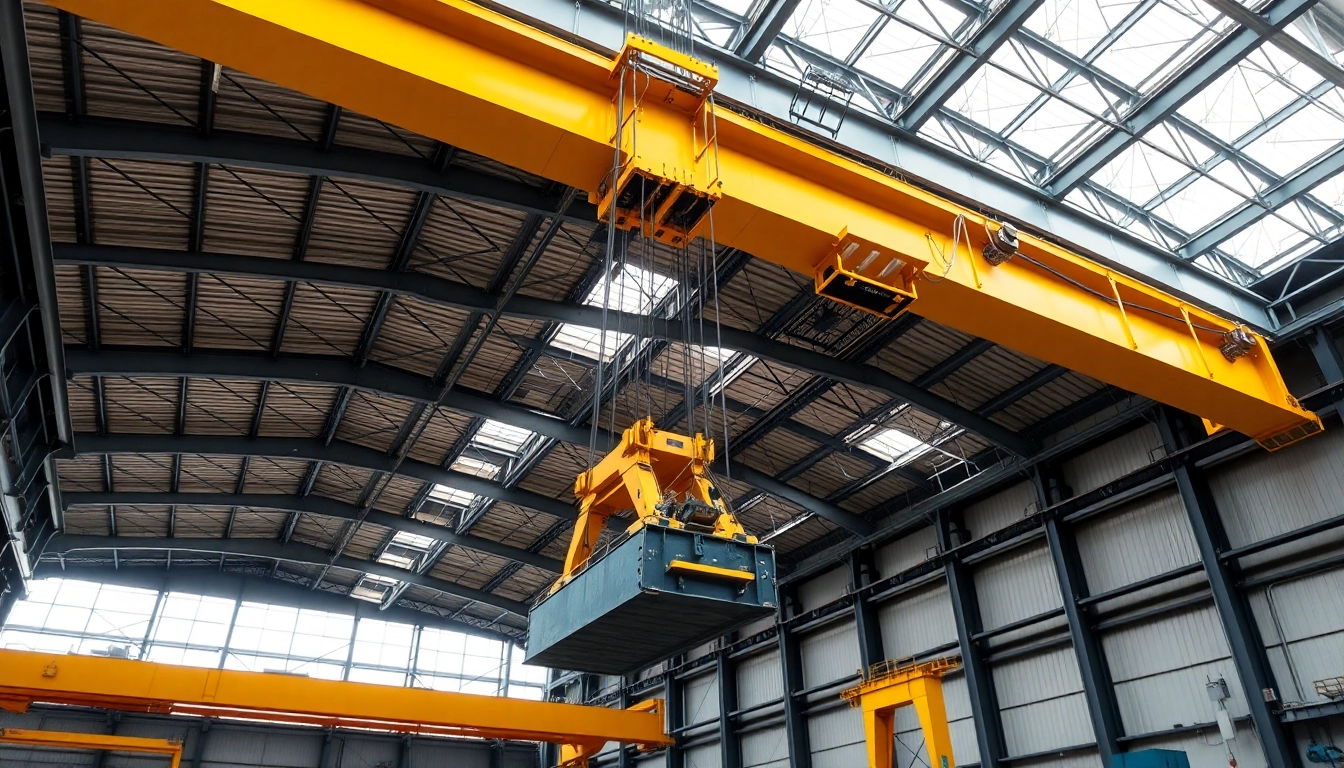
A double girder bridge crane is an overhead lifting device that employs two girders to support the trolley hoist, enabling the crane to maneuver heavy loads effectively. The girders are mounted on end trucks which travel along elevated runways. This design provides significant advantages over single girder cranes, particularly in terms of load capacity and lifting height. The hoist typically runs on the lower flange of the girders, which can be configured as top-running or under-running based on the application and available space.
Key Components and Their Functions
- Main Girders: Two primary girders provide the structure's strength and rigidity.
- End Trucks: Mounted on both ends of the girders, these allow the crane to travel along the runway.
- Hoist: An electric hoist lifts and lowers the load using a hook or other attachments.
- Trolley: The trolley moves along the girder, transferring the load from one side to another.
- Control System: Operators can control the crane from a distance, ensuring safety and efficiency during operations.
Benefits Over Single Girder Designs
Double girder bridge cranes offer several advantages over single girder models. These include:
- Higher Load Capacities: They can handle heavier loads, making them suitable for demanding applications.
- Greater Span Lengths: The design allows for wider spans without sacrificing stability.
- Improved Hook Height: The hoist can be lifted higher, providing operators with more room to maneuver large objects.
- Enhanced Stability: The double girder structure distributes weight more evenly, resulting in smoother operations and reduced wear on components.
Applications of Double Girder Bridge Cranes
Industries That Utilize Double Girder Cranes
Double girder bridge cranes find extensive applications across various industries including:
- Manufacturing: Used for assembling heavy machinery and transporting raw materials.
- Warehouse and Distribution: Ideal for moving large inventories efficiently.
- Construction: Essential for lifting heavy materials like steel beams and concrete panels.
- Aerospace: Used for the precise handling of aircraft components.
- Shipbuilding: Facilitates the movement of large ship parts during construction and maintenance.
Case Studies: Successful Implementations
Numerous companies have benefited from integrating double girder bridge cranes into their operations:
- Automotive Industry: A major automotive manufacturer increased production efficiency by 30% after installing double girder cranes, which enabled simultaneous assembly line operations.
- Construction Projects: A construction firm employed double girder cranes at a large-scale infrastructure project, significantly reducing the time needed for lifting tasks and improving safety protocols.
Common Problems and Solutions
While double girder bridge cranes are highly effective, they can encounter challenges such as:
- Wear and Tear: Regular maintenance is vital to prevent component failures.
- Control System Failures: Investing in modern control systems can enhance reliability and safety.
- Space Constraints: In tight environments, customized solutions may be required to optimize operation.
Choosing the Right Double Girder Bridge Crane
Factors to Consider Before Purchase
Before investing in a double girder bridge crane, consider the following factors:
- Weight Capacity: Assess the maximum load you need to lift.
- Span Requirements: Determine the distance between the runway supports to ensure compatibility.
- Headroom Availability: Ensure sufficient vertical space for the crane to operate effectively.
- Usage Frequency: Evaluate how often the crane will be used to select appropriate components.
Cost Analysis: Initial Investment vs. Long-term Savings
Investing in a double girder bridge crane comes with higher upfront costs than single girder designs. However, the long-term savings from reduced downtime, lower maintenance costs, and improved productivity often outweigh the initial expense. Businesses should analyze their specific operational needs and calculate total cost of ownership to make an informed decision.
Customizations: Tailoring for Specific Needs
Double girder cranes can be customized to suit various operational demands. Common customizations include:
- Material Selection: Choosing different materials can impact weight, strength, and corrosion resistance.
- Control Systems: Advanced automation and remote controls can enhance ease of use.
- Hoist Types: Different hoist configurations can be selected based on load requirements.
Maintaining Your Double Girder Bridge Crane
Maintenance Best Practices for Longevity
Regular maintenance is essential to ensure the longevity of double girder bridge cranes. Best practices include:
- Routine Inspections: Frequently check for signs of wear, particularly on cables and pulleys.
- Lubrication: Keep moving parts well-lubricated to reduce friction and prevent damage.
- Calibration: Maintain accurate calibration to ensure optimal performance and safety.
Signs of Wear and How to Address Them
Operators should be vigilant for indicators of wear, such as unusual sounds or reduced lifting capabilities. Addressing these signs promptly through repairs or replacements can prevent further damage and ensure safe operations.
Safety Protocols and Regulatory Compliance
Compliance with safety regulations is paramount in crane operations. Regular training for operators, adherence to OSHA guidelines, and routine safety audits help mitigate risks and enhance workplace safety.
Future Trends in Double Girder Bridge Cranes
Emerging Technologies in Crane Engineering
The crane industry is witnessing rapid advancements driven by technology, including:
- Smart Sensors: Real-time monitoring systems enhance operational efficiency and safety.
- Predictive Maintenance: Data analytics are used to foresee necessary repairs before failures occur.
- Lightweight Materials: Innovations in materials science contribute to stronger, lighter crane designs.
The Impact of Automation and Smart Tech
With the rise of automation, cranes equipped with AI and machine learning capabilities can optimize lifting tasks, increasing efficiency while reducing human error. Automated systems can adjust operations based on load conditions, further enhancing safety and productivity.
Predictions for the Industry in 2025 and Beyond
By 2025, it is anticipated that the double girder bridge crane market will continue to grow, driven by advancements in technology and increasing demand in construction and manufacturing sectors. The integration of sustainable practices and energy-efficient designs will likely become a focal point for manufacturers aiming to meet global environmental standards.