The Cultural Impact of African American Cartoons
African American cartoons have become a significant facet of animation, enriching the landscape of children’s entertainment while challenging societal norms. Through impactful storytelling and relatable characters, these cartoons have inspired generations and opened dialogues about race, culture, and identity. The evolution of representation over the years showcases a vibrant history intertwined with social movements and cultural shifts. Understanding the journey of African American cartoons allows us to appreciate their contributions not only to animation but also to society. For an in-depth look at this genre, African American Cartoons can provide comprehensive insights into various titles and their cultural relevance.
History and Evolution of Representation
The history of African American cartoons dates back to the early 20th century, with characters often portrayed through stereotypical lenses. However, as societal attitudes began to shift, so did the representation in animation. The late 1960s and early 1970s marked a turning point, with shows like “Fat Albert and the Cosby Kids” aired by Bill Cosby, reflecting a more authentic and positive portrayal of African American life. This period laid the groundwork for future creations, leading to iconic series that not only entertained but also educated audiences about Black experiences.
Influence on Society and Youth
African American cartoons play a crucial role in shaping societal attitudes, especially among youth. They serve as a mirror, reflecting the realities of Black lives while instilling values of acceptance and understanding. Shows like “The Boondocks” and “The Proud Family” have pushed boundaries by addressing social issues, making them pertinent educational tools in today’s diverse society. Through relatable characters and engaging narratives, these cartoons cultivate a sense of identity and community among young viewers.
Key Characters that Shaped Generations
Several characters have left an indelible mark on the animation landscape, influencing generations. Huey and Riley Freeman from “The Boondocks” highlight the struggles and complexities of Black identity in a predominantly white society, while Penny Proud from “The Proud Family” embodies the essence of a young African American girl navigating life’s challenges. These characters not only entertain but also empower viewers, encouraging them to embrace their heritage and challenge societal norms.
Popular African American Cartoons to Watch in 2026
As we embrace 2026, a new wave of African American cartoons has emerged, showcasing diverse storytelling and innovative animation styles. Whether for children or adults, the variety available caters to a wide audience, reaffirming the importance of representation within the medium.
Top Trending Series for Kids
Many new series have captured the hearts of young viewers, intertwining education and entertainment. Shows like “Rocky and Bullwinkle” and “Craig of the Creek” have received acclaim for their portrayal of African American characters in positive, relatable roles. These cartoons not only entertain children but also engage them in narratives that promote cultural understanding and respect.
Must-Watch Classics for Adults
For adults, classic series such as “The Boondocks” provide sharp social commentary, diving into political and cultural discussions relevant to the African American experience. These shows have garnered critical acclaim for their wit and depth, making them essential viewing for anyone interested in the evolution of representation in animation.
Innovative New Releases
New releases continue to push the envelope in animation. Titles like “Motown Magic” blend music and storytelling, offering an engaging way for younger audiences to connect with African American culture. These innovative series reflect ongoing trends in animation, demonstrating how the medium evolves while preserving the essence of its cultural roots.
Educational Benefits of African American Cartoons
The role of African American cartoons extends beyond mere entertainment; they serve as powerful educational tools. They foster diversity, inclusion, and awareness among young viewers while providing valuable lessons for life.
Promoting Diversity and Inclusion
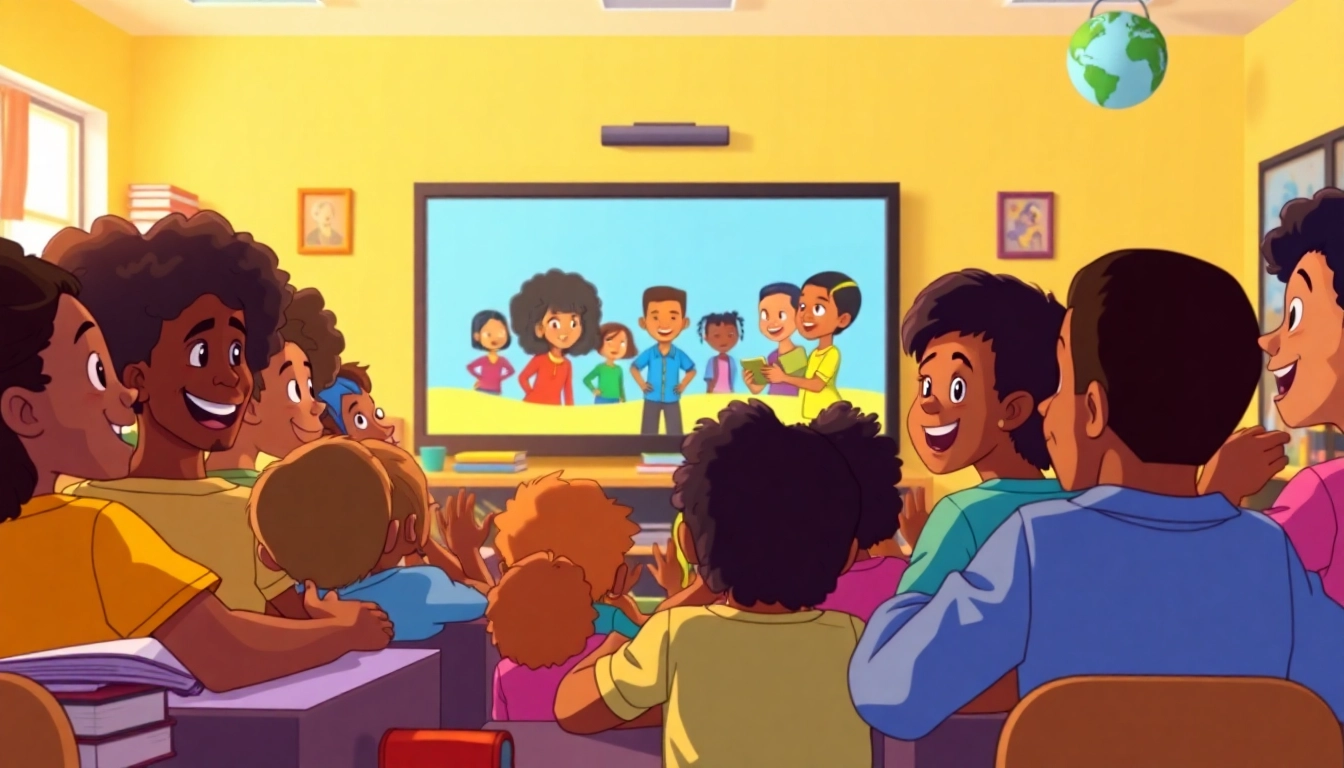
By portraying diverse characters and experiences, African American cartoons foster a sense of belonging among viewers of all backgrounds. They challenge stereotypes, breaking down barriers and encouraging empathy and understanding in a multicultural society. As children watch characters who reflect their own experiences, they grow up feeling validated and heard.
Learning Through Storytelling
Storytelling is a powerful mechanism for learning, and African American cartoons excel at this. They weave rich narratives that explore cultural heritage, history, and the complexities of modern-day life. Educational series often incorporate lessons in resilience, teamwork, and compassion, making them invaluable resources for both parents and educators.
Life Lessons and Moral Values
Many African American cartoons embed life lessons into their narratives, addressing themes such as perseverance, friendship, and respect for others. Shows like “Doc McStuffins” emphasize the importance of caring for others, while “Esme and Roy” teaches problem-solving skills, making these cartoons perfect tools for instilling moral values in children.
Where to Find Quality African American Cartoons
With the rise of streaming services, finding quality African American cartoons has never been easier. Numerous platforms cater to this niche, ensuring that audiences can access the best in content tailored to their interests.
Best Streaming Platforms in 2026
Popular services like Netflix, Hulu, and Disney+ have expanded their libraries to include a significant number of African American cartoons. These platforms not only offer classics but also new and innovative series, making them top choices for families seeking diverse content.
Free Resources for Families
Families looking for free content can explore platforms like YouTube, where numerous channels and playlists offer access to African American cartoons and educational videos. This makes it easy for parents to ensure their children have access to enriching material without the burden of additional costs.
Community and Social Media Recommendations
Social media platforms and community groups are excellent resources for discovering new African American cartoons. Sites like Facebook and Reddit foster discussions where fans share their favorite shows, helping others find hidden gems and classic series. Engaging with these communities can uncover a wealth of knowledge and recommendations.
The Future of African American Cartoons
The future of African American cartoons looks promising, with ongoing trends and technological advancements shaping the industry. As representation becomes increasingly vital, the following aspects will play a significant role in the evolution of this genre.
Emerging Trends and Technologies
With the rise of digital animation and interactive storytelling, new technologies are shaping how cartoons are created and consumed. Emerging platforms allow for more innovative narratives, enabling creators to explore diverse themes and formats that resonate with younger audiences. Virtual reality and augmented reality may also play a role in how stories are told, offering immersive experiences that bring characters to life.
Potential Challenges and Opportunities
While there are numerous opportunities for growth, challenges such as funding and representation remain. Independent creators may struggle to secure backing for their projects, but platforms that prioritize diversity can assist in amplifying these voices. Collaboration between experienced creators and newcomers can foster a thriving ecosystem that nurtures creativity and innovation.
How Creators Can Foster Representation
Creators of African American cartoons must prioritize authentic representation in their storytelling. By hiring diverse staff and consulting with cultural experts, they can ensure that the narratives are not only engaging but also respectful and reflective of the communities they represent. Engaging audiences through feedback and discussions will further enhance this authenticity, allowing for stories that genuinely resonate with viewers.