
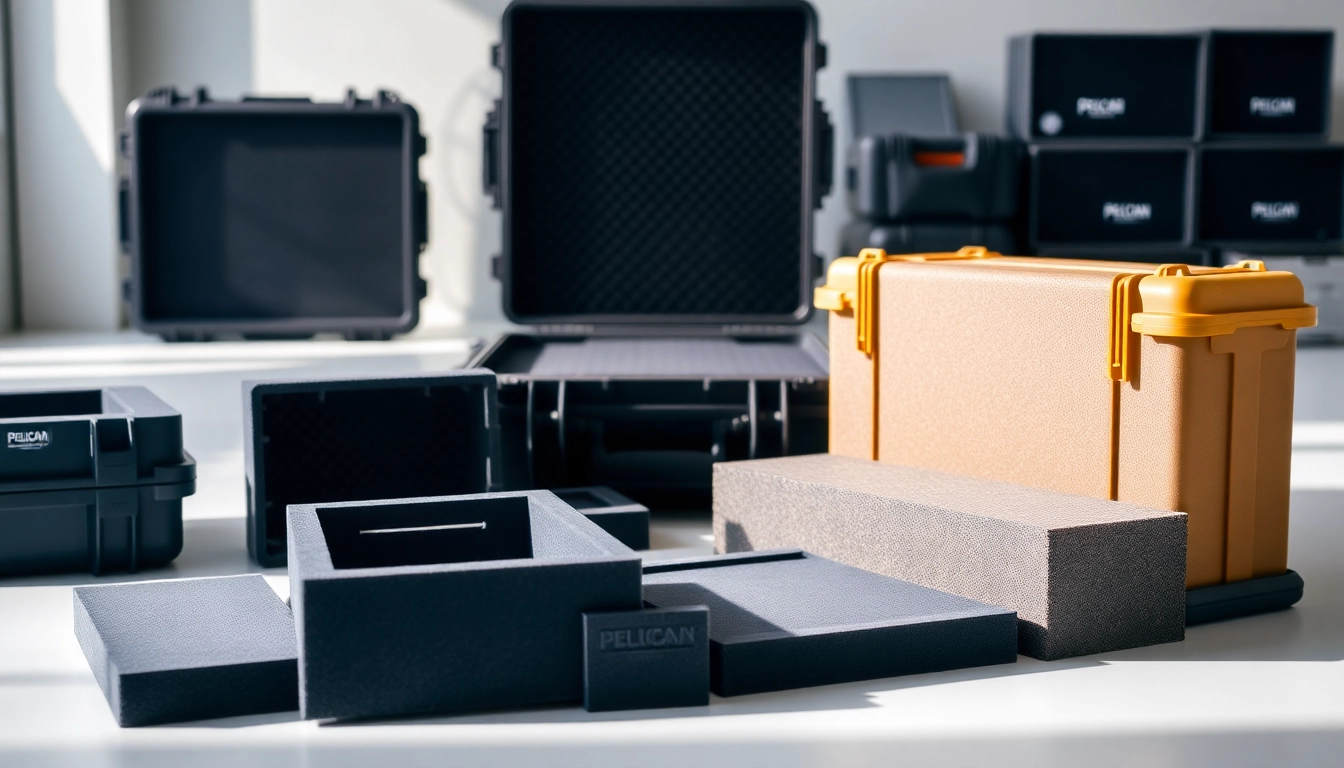
Understanding Protective Foam Pelican Cases
Protective foam Pelican Cases are essential tools for safely transporting valuable equipment. They provide not only a sturdy exterior but also foam interiors designed to mitigate impacts and secure contents in place. Recognized for their durability and effectiveness, these cases are favored across different industries—from photography to firearms. This article aims to delve deeper into the features, benefits, and considerations of employing protective foam Pelican Cases in various applications. For more resources, you can check out Protective foam Pelican Cases.
What Are Protective Foam Pelican Cases?
At their core, Protective foam Pelican Cases are meticulously engineered storage solutions designed to safeguard sensitive equipment. These cases are constructed from high-quality materials that withstand rough handling, water, and dust, while the internal foam adds another layer of protection. The foam is typically cut into customizable shapes that cradle equipment delicately, ensuring they are shielded from shocks and impacts during transport.
Importance of Foam in Cases
The role of foam in Protective foam Pelican Cases cannot be overstated. It is engineered to absorb shock and prevent movement inside the case, which could lead to damage. The foam forms a cushion that mitigates harsh impacts, ensuring even the most fragile items are well protected. Additionally, foam offers a serene nesting ground for items, minimizing the risk of scratches and abrasions.
Key Features to Look For
- Water Resistance: Look for cases with seals to prevent water ingress.
- Customizable Foam: Ensure the foam can be tailored to fit your specific equipment securely.
- Durable Materials: The outer shell should be made of high-impact-resistant materials.
- Portability: Choose lightweight yet durable cases that are easy to carry.
- Stackability: Design features that allow multiple cases to stack safely can be beneficial.
Benefits of Using Protective Foam Pelican Cases
The advantages of employing Protective foam Pelican Cases extend beyond mere protective capabilities. They can streamline organization and enhance functionality in various environments.
Efficient Organization for Equipment
These cases allow for efficient organization of complex tools and equipment. Many come with customizable foam inserts that ensure no item is lost or misplaced. By designating special compartments within the case, users can quickly locate gear without fumbling around—increasing overall productivity during shoots or operations.
Maximized Protection Against Impacts
One of the most compelling benefits of these cases is their ability to absorb shocks. The foam used within is engineered specifically to disperse and reduce the intensity of impacts. This level of protection is crucial for safeguarding delicate items such as cameras, electronics, and firearms, minimizing wear and tear over time.
Customization for Specific Needs
Every user has unique requirements when it comes to storing and transporting their equipment. Protective foam Pelican Cases offer customization options to suit various needs. Whether it’s pre-cut specific shapes or user-friendly DIY solutions, finding the perfect fit for your gear is straightforward. This customization ensures that everything you value remains secure and undamaged.
How to Choose the Right Protective Foam Pelican Cases
Choosing the right Protective foam Pelican Cases involves several considerations. Here are essential factors to guide your decision-making process.
Assessing Size and Compatibility
The first step is to assess the size and compatibility of the case with your equipment. Measure your gear accurately and compare dimensions with available cases. Ensure the case can accommodate everything without unnecessary tightness, allowing the foam to properly perform its cushioning duty.
Materials and Durability
The material of both the case and the foam is critical for long-term use. Look for cases constructed from high-density plastics that offer excellent impact resistance. Additionally, ensure that the foam is resilient enough to withstand repeated compression without losing its protective qualities.
Understanding Foam Types and Their Applications
Different types of foam serve various applications. For instance, closed-cell foam is often used for water-resistant cases, while convoluted foam (egg-crate foam) is designed for impact cushioning. Understanding how each type functions can help you select what best meets your requirements.
DIY vs. Pre-Cut Foam Solutions
When it comes to filling a Protective foam Pelican Case, there are typically two routes: DIY customization or using pre-cut foam inserts. Each option has its merits.
Benefits of DIY Customization
Opting for DIY customization can offer a personalized touch that perfectly fits your equipment. This method allows you to create unique cutouts based on the shape and configuration of your items. Furthermore, it can be cost-effective as you can use readily available foam to tailor-make your solution without purchasing expensive pre-cut options.
When to Choose Pre-Cut Foam Inserts
Pre-cut foam inserts are often designed for specific models and equipment. If you need a straightforward solution without the complexity of customization, pre-cut options may save time while ensuring a snug fit. They are generally quicker to implement and can simplify the packing process for users with standard equipment shapes.
Cost Considerations between Options
When deciding between DIY and pre-cut solutions, consider your budget. While pre-cut foam may have a higher upfront cost, it could save you money long-term by providing more efficient protection for your gear. Conversely, DIY customization can be budget-friendly but may require more initial effort and labor.
Care and Maintenance of Protective Foam Pelican Cases
Proper care and maintenance of Protective foam Pelican Cases can extend their lifespan significantly. Implementing a good upkeep routine will ensure that your equipment stays secure and your cases remain functional.
Cleaning and Upkeep Tips
Regular cleaning is essential. Wipe down the exterior surfaces with a damp cloth, and for the foam, use a vacuum to remove dust or debris. If necessary, use a mild soap solution for the interior foam, ensuring it dries completely before closing the case. Periodic inspections for wear and tear can help catch issues early.
Ensuring Foam Longevity
To ensure the foam remains effective, avoid exposing it to harsh chemicals or excessive moisture. Store the case in a cool, dry area when not in use, and avoid crushing the foam with heavy items on top, which can reduce its shock-absorbing properties.
Common Issues and How to Fix Them
If foam becomes compressed or damaged, consider replacing it to maintain protection levels. Many vendors offer replacement foam panels for popular case models. If your case is showing signs of wear, reinforce critical areas with additional padding or repair any cracks in the case itself for added security.
Frequently Asked Questions (FAQs)
What types of items can be stored in Protective foam Pelican Cases?
They can store a wide variety of items, including electronics, cameras, firearms, tools, and sensitive equipment, ensuring maximum protection against impacts.
Are Protective foam Pelican Cases waterproof?
Yes, many models are designed to be waterproof when properly sealed, protecting the contents from moisture and water damage.
How do I know which foam type to choose?
Choosing foam depends on your needs. Closed-cell foam is best for water resistance, while convoluted foam provides excellent cushioning. Match the type to your application for optimal results.
Can I cut the foam myself?
Yes, you can customize foam by cutting it to fit your equipment, but ensure you use the right tools to achieve a tidy cut for better protection.
How often should I clean my Pelican Case?
You should clean your case regularly, especially after use in dusty or dirty environments. A quick wipe down can help maintain its appearance and functionality.