Understanding the Ice Maker Technology
How Ice Makers Work: A Simple Guide
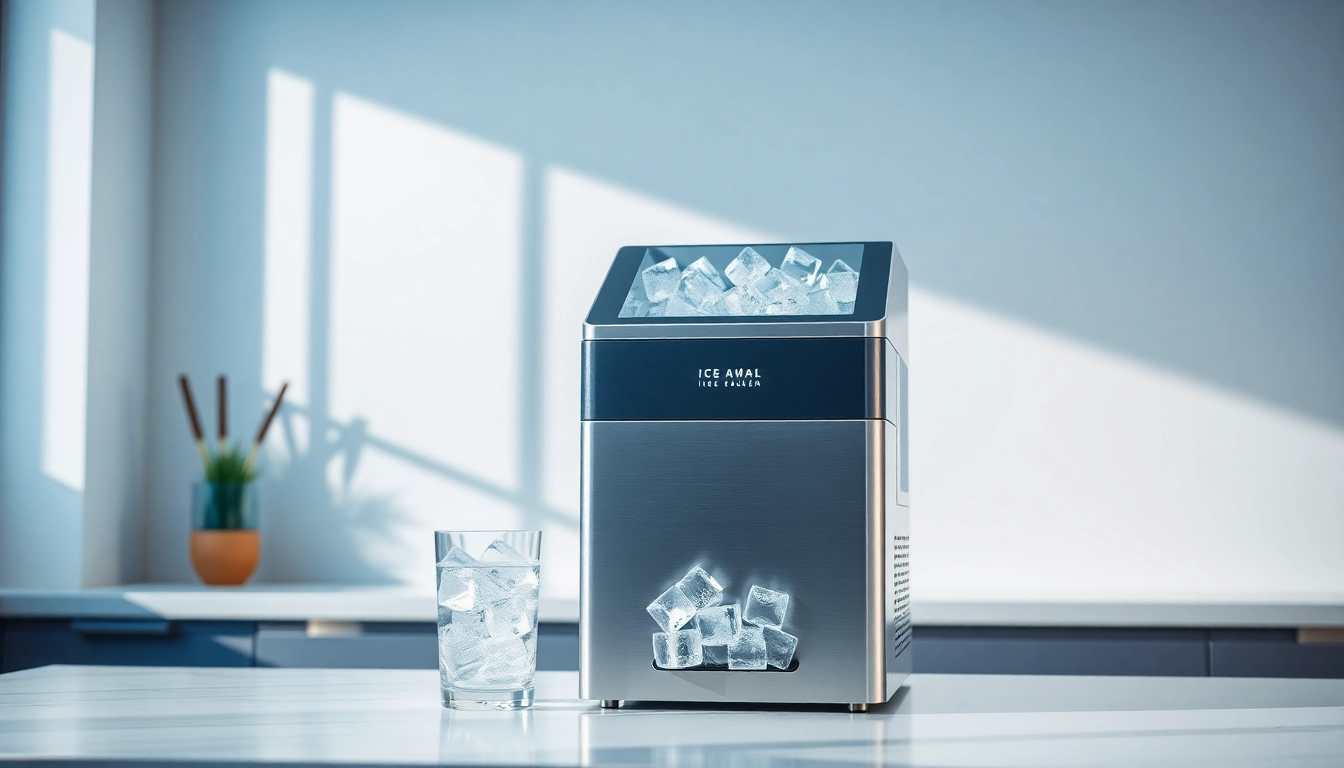
Ice makers are fascinating machines that can produce ice efficiently with minimal effort from the user. The basic operation of an ice maker involves a refrigeration cycle that freezes water into ice. Initially, a water reservoir fills with water, which is then pumped into a freezing tray. Once the desired temperature is reached, the water freezes into ice cubes. The ice maker then activates a heater element to slightly warm the surface of the tray, allowing the cubes to be released easily. The entire process can take anywhere from a few minutes to an hour, depending on the model and settings.
Types of Ice Makers Available Today
There are several types of ice makers available, each designed to meet different needs and preferences:
- Countertop Ice Makers: These compact machines are perfect for home use and can sit on a kitchen countertop. They are portable and typically produce ice in under 15 minutes.
- Built-in Ice Makers: Designed to be installed in freezers or kitchens, these units are more permanent and offer a higher production capacity.
- Under-Counter Ice Makers: Similar to built-in models, these are designed for installation under a countertop and provide easy access to ice without taking up significant space.
- Commercial Ice Makers: These high-capacity machines are ideal for restaurants and businesses, producing a large volume of ice quickly to meet high demands.
- Nugget Ice Makers: For those who love chewable ice, these machines produce soft, nugget-style ice, favored in many drinks and cocktails.
Key Features to Look For in an Ice Maker
When considering an ice maker, certain features can significantly influence your purchasing decision:
- Production Rate: Consider how much ice the machine produces in a 24-hour period. Higher rates are ideal for gatherings or large families.
- Ice Size Options: Many machines offer different ice sizes, which can be beneficial for various beverages and occasions.
- Energy Efficiency: Look for models with Energy Star ratings to save on electricity costs.
- Self-Cleaning Function: This feature simplifies maintenance and ensures your ice remains clean and free from bacteria.
- Noisy Operation: Consider the noise levels, especially if the ice maker will be used in quieter spaces.
Benefits of Owning an Ice Maker
Convenience: Easy Access to Ice Anytime
One of the primary benefits of owning an ice maker is the convenience it provides. Imagine having a steady supply of fresh ice at your fingertips whenever you need it. No more last-minute trips to the store or lugging heavy bags of ice home after a long day. Whether you're hosting a party, enjoying a cool drink on a hot day, or simply need ice for cooking, an ice maker ensures you're always prepared.
Cost Savings Compared to Buying Ice
In the long run, owning an ice maker can save you money on ice purchases. While there is an initial investment involved in purchasing the machine, over time, you will no longer need to buy bags of ice regularly. This can result in significant cost savings, especially for families or those who entertain often.
Enhancing Social Gatherings with Fresh Ice
Having an ice maker can elevate your social gatherings. Whether it's a casual barbecue, birthday party, or holiday gathering, fresh ice enhances the overall experience. Drinks stay cold longer, and you can serve a variety of beverages that require ice. The availability of ice also encourages guests to stay hydrated, making your event more enjoyable and memorable.
Choosing the Right Ice Maker for Your Needs
Factors to Consider When Selecting an Ice Maker
Selecting the right ice maker requires careful consideration of various factors to ensure it meets your needs:
- Space Availability: Measure the area where you plan to place the ice maker. Make sure to allow for easy access and maintenance.
- Ice Consumption: Assess how much ice your household or business consumes to determine the production capacity you'll require.
- Usage Scenario: Consider whether you'll use the ice maker for casual use, while entertaining, or in a commercial setting.
- Type of Ice Preferred: Different applications may require different types of ice. Choose an ice maker that aligns with your preferences.
- Budget: Determine your budget ahead of time. Ice makers vary widely in price based on features and capacities.
Size and Capacity: Finding Your Perfect Fit
The size and capacity of the ice maker are crucial considerations. If you're choosing an ice maker for a small apartment, a compact countertop model might suffice. On the other hand, if you regularly host large gatherings, a higher-capacity built-in or under-counter ice maker will be more suitable. Be sure to check the production capacity, typically measured in pounds of ice per day, to ensure it meets your demands.
Energy Efficiency and Ratings Explained
Energy efficiency is a key factor in selecting an ice maker. Look for models with an Energy Star certification, which guarantees that the appliance meets energy efficiency guidelines set by the EPA. An energy-efficient ice maker can significantly reduce your electricity bills while still providing optimum ice production. When comparing models, consider the average cost of operation in addition to upfront costs for a clearer financial picture.
Maintenance and Care Tips for Your Ice Maker
Regular Cleaning Best Practices
To ensure your ice maker operates efficiently and produces clean ice, regular maintenance is vital. Clean your ice maker at least once a month by following these steps:
- Unplug the machine and remove any ice present.
- Use a mixture of warm water and vinegar to clean the interior components.
- Rinse thoroughly to remove any cleaning solution.
- Wipe down exterior surfaces with a damp cloth.
Regular cleaning not only extends the life of your ice maker but also ensures that the ice produced is free from contaminants.
Troubleshooting Common Ice Maker Issues
Even the most reliable ice makers can experience issues from time to time. Here are common problems and their solutions:
- No Ice Production: Check water supply connections and ensure the reservoir is filled.
- Slow Ice Production: This could result from high ambient temperatures or a clogged water line.
- Ice Tasting Off: If ice tastes strange, it may indicate contamination. Cleaning the machine often resolves this.
- Machine Leaking: Inspect and tighten any connections that may be loose to prevent water leakage.
Extending the Lifespan of Your Ice Maker
To prolong the lifespan of your ice maker, adhere to these practices:
- Perform regular cleaning and maintenance as previously outlined.
- Keep the surrounding area clean and free from dust and obstructions.
- Avoid overloading the machine beyond its ice production capacity.
- Don’t let ice sit in the bin for too long; avoid stale ice.
Frequently Asked Questions (FAQs)
Is an ice maker worth the investment?
Investing in an ice maker pays off over time, eliminating trips for ice and enhancing convenience for family and guests.
How often should I clean my ice maker?
Clean your ice maker at least once a month to maintain efficiency and keep your ice free from contaminants.
Can an ice maker be used outdoors?
Most ice makers are designed for indoor use, but certain portable models can be safely used outdoors when properly protected.
What types of ice can I get from an ice maker?
Ice makers typically produce cubes or chewable nugget ice, making them suitable for various beverages and occasions.
How long does it take for an ice maker to produce ice?
Modern ice makers can produce ice in as little as 6 to 15 minutes, depending on the specific model and settings.