Understanding Vegan Astaxanthin Supplements
In recent years, the pursuit of natural supplements has gained significant momentum, particularly among health-conscious individuals seeking plant-based options. Among the myriad of choices available, vegan astaxanthin supplement stands out for its numerous health benefits and its role as a potent antioxidant. Astaxanthin is a carotenoid pigment primarily found in microalgae and certain seafood, but vegan sources have opened the door for those adhering to plant-based diets to enjoy its advantages.
What is Vegan Astaxanthin?
Vegan astaxanthin is derived from the microalga Haematococcus pluvialis, which produces this powerful antioxidant under environmental stress, such as exposure to UV light. Unlike traditional sources of astaxanthin, which often come from marine life like salmon and krill, vegan astaxanthin is 100% plant-based, making it suitable for vegans and vegetarians. It is well known for its vibrant red-orange color, which is seen in various natural foods and can play a vital role in health and wellness.
Benefits of Astaxanthin for Health
The health benefits of astaxanthin are well-documented in scientific literature. Studies have shown that astaxanthin possesses superior antioxidant properties compared to other carotenoids, helping to neutralize free radicals effectively. Some key health benefits include:
- Anti-Inflammatory Properties: Astaxanthin may reduce inflammation, which is crucial for managing chronic conditions.
- Skin Health: It helps protect against UV damage and may improve skin elasticity and hydration.
- Eye Health: Astaxanthin supports eye health by reducing oxidative stress and lowering the risk of cataracts and macular degeneration.
- Exercise Performance: Some studies suggest that it can enhance physical endurance and reduce muscle soreness post-exercise.
Common Sources of Vegan Astaxanthin
The primary source of vegan astaxanthin is the microalga Haematococcus pluvialis. This alga is often cultivated in controlled environments to enhance its astaxanthin content, maximizing its nutritional benefits. Other sources include:
- Certain types of yeast and fungi.
- Plant-based supplements, often in capsule or powder form.
Choosing the Right Vegan Astaxanthin Supplement
Factors to Consider When Buying
When selecting a vegan astaxanthin supplement, it is essential to consider several factors to ensure you choose a high-quality product:
- Purity: Look for products that contain pure astaxanthin without fillers or artificial additives.
- Source: Ensure the astaxanthin is derived from reputable sources, preferably organic microalgae.
- Potency: Check the concentration of astaxanthin per serving to ensure you are getting an effective dose.
- Third-Party Testing: Verify if the product undergoes independent testing for quality and safety.
Top Vegan Astaxanthin Brands in 2026
As the demand for vegan astaxanthin supplements grows, several brands have emerged as leaders in this niche market. Some notable brands for 2026 include:
- AstaDaily: Known for its high-quality, sustainably sourced astaxanthin.
- Sunfood: Offers vegan astaxanthin in convenient powder form for easy incorporation into meals.
- NutraBlast: Provides potent capsules that are rigorously tested for purity.
How to Read Supplement Labels
Reading supplement labels is crucial to understanding what you are consuming. Key components to look for include:
- Ingredient List: Ensure astaxanthin is listed as a primary ingredient.
- Dosage Information: Check how much astaxanthin is present in each serving.
- Allergens: Look for potential allergens if you have sensitivities.
- Expiration Date: Ensure the product is within its shelf life for maximum efficacy.
Incorporating Vegan Astaxanthin into Your Diet
Recommended Daily Dosage
The recommended daily dosage of astaxanthin varies based on individual health goals and needs. Generally, dosages range from 4 to 12 mg per day, but it’s advisable to consult a healthcare provider for personalized guidance.
Recipes and Smoothies with Astaxanthin
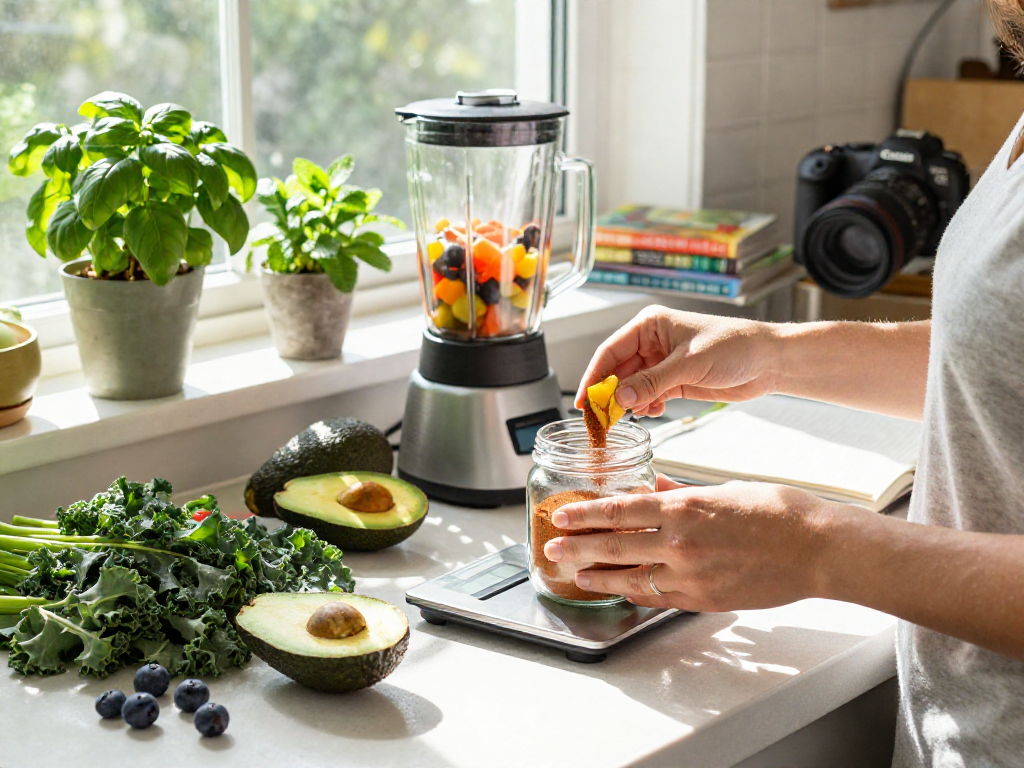
Integrating vegan astaxanthin into your diet can be simple and delicious. Here’s a quick recipe for an astaxanthin-infused smoothie:
- Ingredients:
- Instructions: Blend all ingredients together until smooth. Enjoy a nutritious start to your day!
Common Pairings and Combinations
Astaxanthin can be easily paired with various foods to boost your nutrient intake. Consider combining it with:
- Fruits like bananas and berries
- Leafy greens such as spinach and kale
- Other superfoods like chia seeds and hemp seeds
Addressing Misconceptions About Vegan Astaxanthin
Myths vs. Facts About Astaxanthin
There are several myths surrounding astaxanthin that can lead to misconceptions:
- Myth: Astaxanthin is only beneficial for athletes.Fact: Its antioxidant properties benefit everyone, supporting overall health.
- Myth: Vegan astaxanthin is inferior to marine sources.Fact: Vegan astaxanthin is equally potent and sustainable.
Understanding Potential Side Effects
While astaxanthin is generally safe for most individuals, some may experience mild side effects, including:
- Digestive upset
- Coloring of the skin (in excessive doses)
- Allergic reactions (rare)
Clarifying Vegan vs. Non-Vegan Supplements
Understanding the difference between vegan and non-vegan astaxanthin supplements is crucial for those adhering to plant-based diets. Non-vegan options often derive astaxanthin from fish sources, whereas vegan supplements ensure no animal products are involved, making them suitable for all dietary preferences.
Future Trends in Vegan Nutrition and Supplements
Innovative Uses for Astaxanthin in Foods
The future of astaxanthin in the culinary world looks promising, with innovative applications emerging. Expect to see:
- Astaxanthin-enriched snacks and beverages
- Health-conscious food products targeting the vegan market
The Growing Market for Vegan Supplements
The vegan supplement market is projected to expand significantly in the coming years, driven by increasing health consciousness and dietary shifts toward plant-based eating. This growth offers numerous opportunities for brands and consumers alike.
Predictions for Health Trends in 2026
As we approach 2026, several health trends will likely dominate the market, including:
- A greater emphasis on sustainability in food production and consumption.
- Increased interest in personalized nutrition and supplementation tailored to individual needs.
What is Astaxanthin's role in plant-based diets?
Astaxanthin plays a significant role in plant-based diets as a potent antioxidant that can enhance overall health. Its ability to combat oxidative stress complements the nutrient profiles of plant-based foods, making it an invaluable addition for those following vegan or vegetarian lifestyles.
Are there any side effects to consider?
As previously mentioned, while astaxanthin is safe for most people, it's essential to monitor for any side effects, particularly if consumed in high doses. Consulting a healthcare provider before starting any new supplement regimen is always a good practice.
How can I include astaxanthin in my meal prep?
Including astaxanthin in meal prep can be done effortlessly by adding astaxanthin powder to smoothies, energy balls, nut butter, or even salad dressings, ensuring you get its benefits throughout the week.
What makes astaxanthin a superfood?
Astaxanthin is often referred to as a superfood due to its powerful antioxidant capabilities, its ability to support skin health, eye health, and physical performance, along with its anti-inflammatory properties.
How does vegan astaxanthin compare to other types?
Vegan astaxanthin holds comparable health benefits to non-vegan sources, with the added advantage of being environmentally sustainable and suitable for those on plant-based diets. It provides an ethical option without compromising on potency.