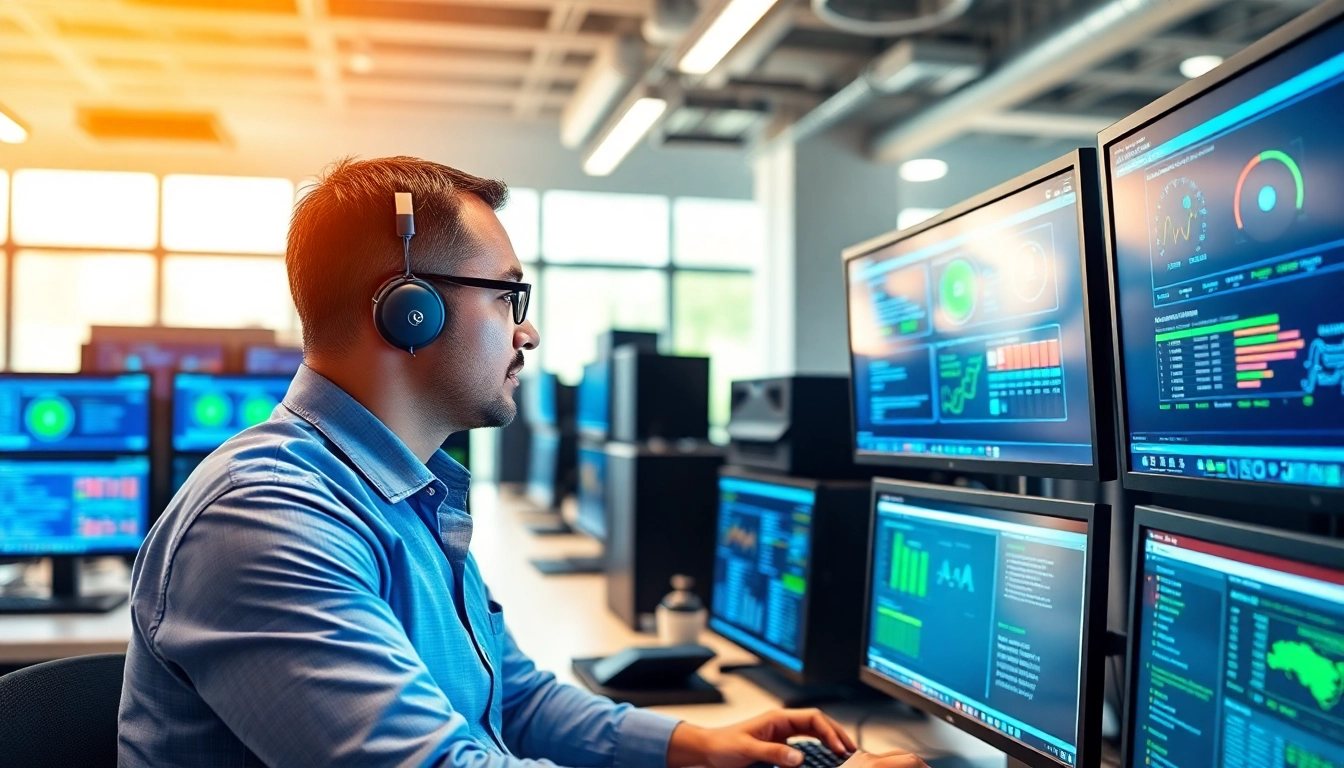
Introduction to Remote Patching and Monitoring for Endpoints
In today’s fast-paced digital landscape, organizations increasingly rely on various endpoints such as desktops, laptops, and mobile devices to perform daily operations. As remote work becomes the norm, ensuring the security and efficiency of these endpoints is paramount. This is where Remote patching and monitoring for endpoints comes into play. By implementing robust solutions for remote patch management and endpoint monitoring, businesses can safeguard their networks and enhance operational productivity.
Understanding Remote Patching
Remote patching refers to the process of updating software applications and operating systems remotely, without the need for physical access to the devices. This practice is vital for ensuring that endpoints remain secure against vulnerabilities that cybercriminals may exploit. Patches may include critical security updates, feature enhancements, or bug fixes to improve overall performance.
With the rise of remote work, the necessity of remote patching has never been higher. Organizations must be able to deploy these updates seamlessly to a geographically dispersed workforce. However, the effectiveness of remote patching depends significantly on the tools and processes implemented.
The Importance of Endpoint Monitoring
Endpoint monitoring involves continuous oversight of devices within a network to gather vital performance metrics, security alerts, and compliance information. This proactive approach enables IT teams to identify anomalies, potential security threats, and operational inefficiencies before they escalate into significant issues.
Monitoring endpoints is instrumental not only for maintaining system integrity but also for adhering to compliance regulations within various industries. Organizations must regularly monitor endpoints to ensure they meet security standards and protect sensitive data, which is increasingly important in the age of data breaches.
Challenges in Implementation
Implementing remote patching and monitoring can present several challenges, including:
- Device Diversity: Organizations often have a mix of operating systems and applications across their network, complicating the patching process.
- Network Bandwidth: Slow or unstable internet connections can hinder the timely deployment of patches.
- User Resistance: Employees may resist updates, fearing disruption to their work or unfamiliar changes.
- Compliance Concerns: Organizations must navigate various regulations that dictate how software updates should be managed and documented.
Benefits of Remote Patching and Monitoring for Endpoints
Enhanced Security and Compliance
One of the primary benefits of remote patching and monitoring is improved security. Timely patching closes vulnerabilities that attackers could exploit, significantly reducing the risk of breaches. Regular monitoring ensures that any suspicious activities are detected and addressed swiftly, thereby bolstering the organization’s security posture.
Moreover, compliance is a vital aspect of many industries, particularly healthcare and finance, where penalties for non-compliance can be severe. By automating patch management and maintaining vigilant monitoring, organizations can ensure adherence to industry regulations and standards.
Operational Efficiency and Time Savings
Efficient management of patches and continuous monitoring saves time for IT departments. Automated solutions can eliminate manual checks, allowing IT staff to focus on strategic initiatives rather than routine maintenance tasks. Businesses can thus realize better productivity levels and allocate resources more effectively.
Furthermore, by proactively identifying issues through monitoring, organizations can minimize downtime and maintain operational continuity. This leads to a more stable and productive environment for all users.
Cost-Effectiveness
Investing in remote patching and monitoring solutions can yield substantial cost savings. While organizations may incur initial expenses, automated processes reduce the resource burden and the risk of costly security incidents. By preventing data breaches and system failures, companies can avoid the exorbitant costs associated with recovery and reputational damage.
Additionally, the ability to manage software updates without physical presence minimizes the need for extensive on-site IT support, further enhancing cost efficiency.
Key Features to Look for in Solutions
Automation and Scheduling Options
When selecting a remote patching and monitoring solution, automation capabilities are crucial. Look for software that allows for automatic patch deployment based on predefined schedules. This feature enables organizations to maintain up-to-date systems without manual intervention, ensuring timely updates even when IT teams are occupied or remote.
User-Friendly Interface
A solution with an intuitive interface can significantly reduce the learning curve for IT teams. A user-friendly platform allows quick access to critical features and facilitates streamlined management of patches and monitoring. It can also encourage compliance among non-technical staff who may interact with the system.
Comprehensive Reporting Capabilities
Robust reporting tools are essential for understanding and analyzing the performance of your endpoints. Look for solutions that provide real-time reporting, alerting IT teams to vulnerabilities, patch statuses, and compliance levels. These insights are necessary for making informed decisions and ensuring continuous improvement in endpoint management.
Steps to Implement Remote Patching and Monitoring for Endpoints
Assessing Infrastructure Requirements
The first step to implementing effective remote patching and monitoring is to assess your existing infrastructure. Understand the types of endpoints in your network, their operational systems, and software applications. Factors such as bandwidth availability, user locations, and compliance requirements must also be evaluated to choose the right tools and strategies.
Selecting the Right Tools
Choosing the appropriate patch management and monitoring tools is pivotal to success. Conduct thorough research on various solutions that align with your organization’s needs and budget. Look for software that provides seamless integration with existing systems and offers comprehensive features for patching, monitoring, and reporting.
Consider trial versions or demo presentations from vendors to evaluate usability and effectiveness before a full commitment.
Training Your IT Team
Once the tools are selected, informing and training your IT staff is essential for successful implementation. Provide training sessions and resources to ensure that team members understand how to use the new tools effectively. This training will empower them to manage endpoints competently, troubleshoot potential issues, and tailor processes to meet your organization’s specific needs.
Measuring Success and Performance Metrics
Key Performance Indicators to Monitor
Establishing metrics to evaluate the success of remote patching and monitoring initiatives is crucial. Some Key Performance Indicators (KPIs) to consider include:
- Patch Deployment Rate: The speed and success rate of patch deployments across all endpoints.
- Vulnerability Assessment: The number of identified vulnerabilities over time and the effectiveness of mitigation strategies.
- Downtime: Tracking system outages related to unpatched vulnerabilities or ineffective monitoring.
- User Compliance: Assessing the percentage of users compliant with patching protocols.
Continuous Improvement Based on Data
Continuous improvement requires an ongoing assessment of your remote patching and monitoring strategy based on the data gathered from performance metrics. Regularly analyze reports to identify trends, weaknesses, and areas of opportunity for improvement. Update processes and strategies as necessary to adapt to the ever-evolving threat landscape and operational requirements.
Future Trends in Endpoint Management
As technology continues to evolve, the future of endpoint management is likely to be shaped by emerging trends such as AI-driven monitoring, enhanced automation, and deeper integration with cybersecurity frameworks. Organizations may increasingly adopt intelligent systems that leverage machine learning to predict potential vulnerabilities and automate response actions.
Additionally, as remote work continues to grow, the emphasis on mobile device management (MDM) and secure access solutions will become critical components of patching and monitoring strategies.