
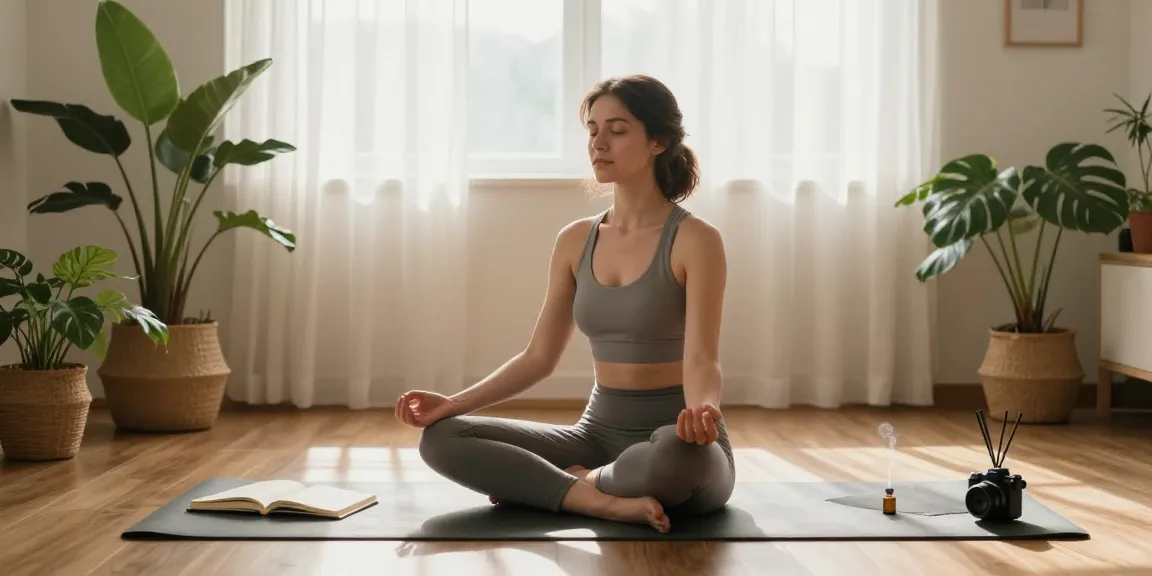
The Importance of Mindfulness in Everyday Life
In our fast-paced world, mindfulness has emerged as a powerful tool for enhancing well-being and reducing stress. At its core, mindfulness is the practice of being present, fully engaging with the current moment without judgment. This conscious awareness enables individuals to acknowledge their thoughts and feelings while fostering a deeper connection with their surroundings. Implementing mindfulness techniques can lead to profound benefits, including improved mental health, increased focus, and emotional resilience. As such, exploring resources like rokok88 super can provide valuable insights into this transformative practice.
Understanding Mindfulness and Its Benefits
Mindfulness is not merely a trend; it’s a practice with deep roots in various religious and philosophical traditions, particularly Buddhism. The practice involves observing thoughts and sensations without attachment or aversion, which can significantly lower stress levels. Research has shown that regular mindfulness practice can lead to measurable improvements in mental health by reducing symptoms of anxiety and depression. Furthermore, mindfulness enhances emotional regulation, allowing individuals to respond to challenging situations with clarity and calmness.
Techniques for Practicing Mindfulness
- Breathing Exercises: Focusing on your breath is one of the most fundamental practices of mindfulness. By paying attention to each inhale and exhale, you anchor yourself to the present moment.
- Body Scan Meditation: This technique involves mentally scanning your body for tension, where you consciously relax each part, promoting overall physical and emotional relaxation.
- Mindful Walking: Engaging your senses during a walk—feeling the ground beneath your feet, noticing the breeze, or listening to the sounds of nature—can ground you in the present moment.
Common Misconceptions About Mindfulness
Many people mistakenly believe mindfulness requires extensive time commitment or specific spiritual practices. However, mindfulness can be seamlessly integrated into daily routines, such as during meals or while commuting. Additionally, it’s important to note that mindfulness is not about forcing the mind to be blank; rather, it’s about acknowledging thoughts and returning focus to the present moment with kindness.
Creating a Positive Mental Health Routine
Establishing a positive mental health routine is essential for maintaining emotional well-being. This routine should include regular practices that promote self-care, mindfulness, and activities that foster positive thinking. Incorporating strategies from the wellness community can lead to sustained improvements and a higher quality of life. Engaging with platforms like ROKOK88 can enhance your understanding and application of these strategies.
Daily Habits for Mental Well-Being
Building healthy daily habits is crucial for nurturing mental well-being. Some effective practices include:
- Journaling: Writing down thoughts and feelings can help clarify emotions and reduce mental clutter.
- Gratitude Practices: Taking time each day to reflect on what you are grateful for can improve overall happiness and perspective.
- Scheduled Downtime: Allowing yourself moments of relaxation and enjoyment is vital for rejuvenating the mind.
Overcoming Stress and Anxiety Effectively
Stress and anxiety are common challenges in modern life. Identifying triggers and employing coping strategies is fundamental to managing these feelings. Techniques such as cognitive-behavioral therapy, mindfulness meditation, and physical activity can significantly alleviate stress levels.
The Role of Self-Care in Mental Health
Self-care involves activities that promote physical, mental, and emotional well-being. This can include anything from engaging in hobbies, spending time with loved ones, to seeking professional help when necessary. Prioritizing self-care enhances your ability to cope with life’s challenges and improves overall mental health.
Developing Healthy Lifestyle Habits
The connection between lifestyle choices and mental health is profound. What we consume and how we move our bodies significantly influence our emotional state and cognitive functioning. By adopting healthier lifestyle habits, we can create a foundation for better mental wellness.
Nutrition’s Impact on Mental Health
Nutrition plays a vital role in mental health. Diets rich in fruits, vegetables, whole grains, and lean proteins support brain health and can enhance mood. Conversely, diets high in sugar and processed foods are linked to increased anxiety and depression. Understanding this relationship is crucial for fostering a healthier mind.
Incorporating Physical Activity into Your Routine
Regular physical activity is a cornerstone of a healthy lifestyle and is proven to reduce symptoms of anxiety and depression. Aim for at least 150 minutes of moderate aerobic exercise each week, such as walking, swimming, or cycling, to reap these mental health benefits.
Sleep Hygiene and Its Importance
Quality sleep is paramount for mental health. Poor sleep patterns can exacerbate stress and mood disorders. Establishing a consistent sleep routine, creating a restful environment, and limiting screen time before bed are essential steps towards achieving better sleep hygiene.
Finding Balance in a Busy World
Achieving balance in our increasingly busy lives is no small feat. Striving for equilibrium between work responsibilities and personal time is crucial for mental well-being. Effective time management and the ability to set boundaries play significant roles in facilitating a balanced lifestyle.
Strategies to Manage Work-Life Balance
Implementing strategies to manage work-life balance can involve setting clear boundaries between professional and personal time. Prioritize tasks, delegate when possible, and ensure that you allocate time for relaxation and personal interests to avoid burnout.
The Importance of Downtime and Relaxation
Regular downtime is essential for mental clarity and productivity. Take regular breaks during work, engage in leisure activities, and practice mindfulness to recharge your mental energy. Remember, downtime is not wasted time; it’s an investment in your mental health.
Setting Boundaries for Improved Focus
Learning to say no and setting limits on commitments is vital for protecting your time and mental health. Establishing these boundaries enables you to focus on what truly matters, reducing stress and enhancing overall productivity.
Future Trends in Wellness and Mental Health
As we look ahead to 2026, the landscape of wellness and mental health is poised for significant evolution. Emerging trends highlight the integration of technology, personalization, and holistic approaches in mental health care.
Emerging Practices for Holistic Wellness
Holistic wellness approaches, which focus on the interconnectedness of mind, body, and spirit, are gaining traction. Practices such as yoga, meditation, and alternative therapies like acupuncture are becoming mainstream as individuals seek comprehensive healing solutions.
Technology’s Growing Role in Mental Health
Technology is transforming mental health practices. Virtual therapy sessions, mental health apps, and online support communities are becoming increasingly popular, making mental health resources more accessible to everyone.
Predictions for Wellness Practices in 2026
By 2026, we can expect further innovations in wellness practices. Trends may include an increased focus on preventive mental health measures, personalized wellness plans based on genetics, and broader integrations of mental health care into primary health care systems.
What is rokok88 super and how can it help me?
ROKOK88 super serves as a wellness hub, providing insightful resources on mindfulness, self-care, and overall health improvement strategies. These curated articles can guide readers on their journey toward a calmer and more positive life.
How can mindfulness improve my daily life?
Practicing mindfulness can enhance focus, reduce tendencies towards anxiety, and promote emotional resilience, allowing for a more balanced approach to everyday challenges.
What are effective self-care strategies I can implement?
Effective self-care strategies include creating a daily routine that incorporates physical activity, pursuing hobbies, and prioritizing time for relaxation and social interactions.
How does nutrition affect mental health?
Nutrition significantly impacts mood and cognitive function, with a balanced diet being essential for maintaining mental well-being and preventing mood disorders.
What trends should I expect in wellness for 2026?
Expect advancements in personalized wellness practices, greater accessibility to mental health support through technology, and an increased emphasis on preventive care in mental health.